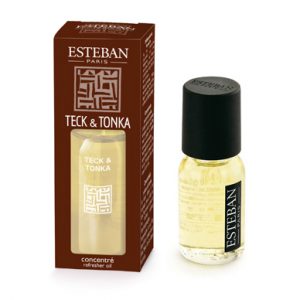
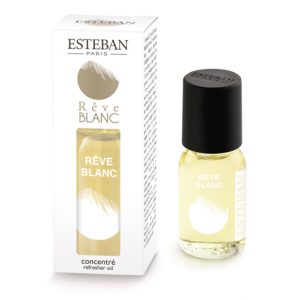
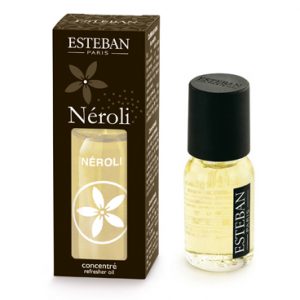
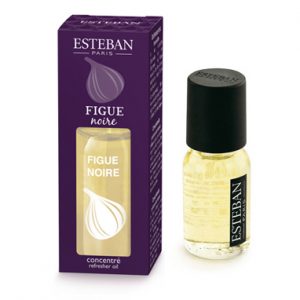
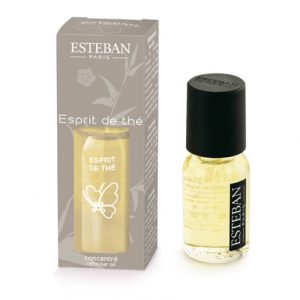
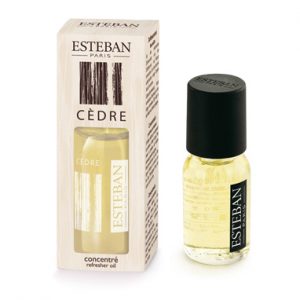
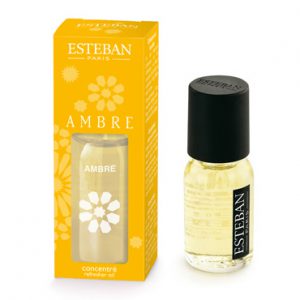
Step into the world of aromas, where our fragnance oil collection brings balance and harmony to every drop. Our high-quality oils are ideal for relaxation, freshening the air, and creating an uplifting atmosphere in your home.
Our carefully selected essences can become a wonderful addition to your daily wellness and home fragrance routine. Discover our natural, pure and concentrated essential oils and create a pleasantly scented, harmonious environment.
The use of fragnance oils has become increasingly popular, as they can help create a more pleasant atmosphere at home and complement relaxation and wellbeing routines. Aromatherapy most commonly involves inhaling essential oils or applying appropriately diluted oils to the skin.
In this category, you will find a selection of premium-quality, carefully selected fragnance oils, making it easy to discover an aroma that suits your preferences and the atmosphere you want to create.
Our selection includes high-quality essential oils obtained from botanical sources. Different extraction methods are used depending on the plant material, helping preserve the distinctive aromatic characteristics of each essence.
When choosing an essential oil, always check the product information, ingredients and recommended method of use.
Essential oils can be extracted from plants using several methods. The appropriate technique depends on the plant material and the characteristics of the desired oil.
Steam distillation: This is one of the most commonly used extraction methods, particularly for essential oils obtained from leaves, flowers and stems.
Steam passes through the plant material, carrying volatile aromatic compounds with it. The vapour is then cooled and condensed, allowing the essential oil to separate from the water.
Expression or cold pressing: This method is mainly used for citrus peels, where aromatic compounds are found in relatively high concentrations.
The peel is mechanically pressed or processed to release the essential oil without the use of significant heat, helping preserve its characteristic fresh citrus aroma.
Essential oils are popular for home fragrance, aromatherapy and selected personal-care applications. They can be used with suitable diffusers to create a pleasant atmosphere in your home.
For cosmetic use, essential oils should only be used when the specific product is suitable for topical application and has been diluted according to appropriate safety guidance. Undiluted essential oils may cause skin irritation or allergic reactions.
Choose from our essential oils according to your personal style, fragrance preferences and intended use. From fresh citrus aromas to floral, herbal and woody compositions, there are many ways to create a distinctive atmosphere in your home.
Explore the Arioso selection and find the essential oil that best complements your home fragrance routine.
The experience of using essential oils can vary depending on the type of oil, method of use, concentration and individual sensitivity. Scientific evidence for specific health benefits varies considerably between oils and applications, so essential oils should not be considered a substitute for medical treatment.
These descriptions refer primarily to fragrance experience and traditional aromatherapy use rather than guaranteed medical effects. For example, peppermint oil may cause irritation in some circumstances, and evidence for many proposed aromatherapy benefits remains limited.
Certain essential oils are used as ingredients in properly formulated cosmetic products. However, concentrated oils should generally not be applied directly to the skin without appropriate dilution.
Some oils, including tea tree oil, can cause redness or irritation in sensitive individuals.
Because essential oils are highly concentrated, it is important to follow a few basic precautions when using them.
Dilution: When an essential oil is intended for topical use, follow the recommended dilution instructions. Applying concentrated oils directly to the skin may cause irritation or sensitisation.
Patch testing: Before using a suitable diluted essential oil product on a larger area of skin, consider testing a small area first and stop using it if irritation occurs.
Children and pregnancy: Extra caution is recommended when essential oils are used around children or during pregnancy and breastfeeding. Suitability varies depending on the specific oil and method of use.
Sun exposure: Certain expressed citrus essential oils can cause phototoxic reactions when applied to the skin before exposure to UV light. This does not apply equally to every citrus oil or extraction method, so always check the specific product’s safety instructions.
Eyes and sensitive areas: Avoid contact with the eyes, mucous membranes and other sensitive areas.
Safe storage: Store essential oils securely, away from children, heat and direct sunlight.
Dosage: Essential oils are highly concentrated, so use only the amount recommended for the particular product and application.
Medical conditions and medication: If you have an existing medical condition, take regular medication or have concerns about essential oil use, consult an appropriate healthcare professional.
Do not ingest unless specifically intended and professionally advised: Some essential oils can be toxic if swallowed. Tea tree and eucalyptus oils, for example, can cause serious poisoning when ingested.
Essential oils are commonly used for home fragrance, aromatherapy, creating a relaxing atmosphere and, where specifically suitable, as ingredients in properly formulated personal-care products.
For a soft and relaxing atmosphere, floral aromas such as lavender or chamomile may be appealing. Citrus scents provide a fresher character, while mint, eucalyptus and herbal aromas offer a crisp and distinctive fragrance.
In general, concentrated essential oils should not be applied directly to the skin unless the specific product instructions state that this is safe. Appropriate dilution helps reduce the risk of irritation and sensitisation.
Many essential oils can be used in compatible diffusers. Always follow both the diffuser manufacturer’s instructions and the directions provided with the specific essential oil.
Some essential oils may not be appropriate around children or animals. Check the safety guidance for each individual oil and use extra caution regarding concentration, ventilation and placement.